As El Niño Looms, Hospitals Brace for Water and Power Shortages
DOH urges health facilities to secure essential resources and maintain healthcare services amid possible water shortages and extreme heat.
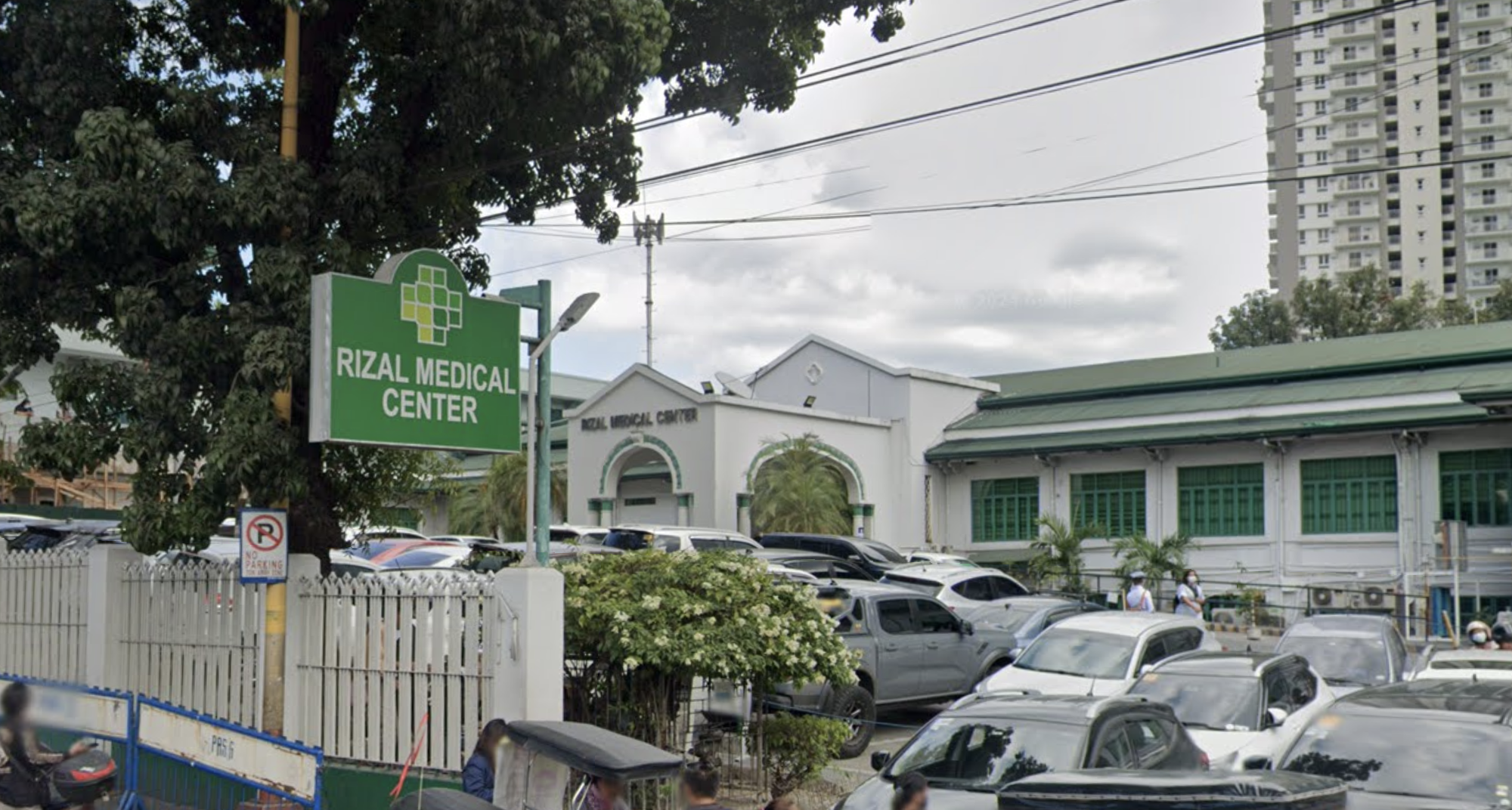
Rizal Medical Center (RMC) in Pasig City has bolstered its water and power reserves in preparation for the anticipated effects of El Niño to ensure the continued delivery of essential healthcare services amid potential resource shortages. (Google Maps)
In preparation for the impending El Niño, the Department of Health (DOH) called on government-owned hospitals and health facilities to secure their water and electricity supplies to ensure continuity of essential healthcare services.
Through Department Memorandum No. 2026-0420, the DOH issued contingency measures for hospitals and local government units (LGUs) to maintain healthcare services amid possible water shortages and extreme heat.
In an interview with DZRH, DOH Secretary Edwin Mercado emphasized the need for hospitals to maintain adequate water and electricity supplies “to avoid life-threatening service disruptions” in patient care–particularly for those relying on life-support equipment–due to the anticipated power outages linked to the extreme dry-weather conditions.
The DOH also reiterated its plan to equip all government-owned healthcare facilities with renewable energy through Solar PV systems with battery storage.
However, hospitals like the Rizal Medical Center (RMC) continue to face financial and infrastructure constraints that hinder their transition to reliable renewable energy sources.
“Hindi naman ganoon kalaki ang binibigay ng DOH kaya we cannot really have our own solar energy. At the same time, cramped [yung] space namin, kulang kami sa infrastructure, kaya hindi namin magawa yung additional expansion to accommodate yung need [to put solar],” Roel Marcial, RMC's chief of the medical professional staff, said in an interview with Likas.
According to Marcial, existing operational constraints, including limited bed capacity, insufficient manpower, and other resource shortages continue to affect their ability to deliver essential healthcare services.
On Sept. 3, the Department of Budget and Management (DBM) cut the DOH’s proposed 2027 spending plan from ₱837 billion to ₱353.8 billion, possibly delaying the department’s plans to improve existing health facilities and construction of new ones.
In an attempt to compensate for this gap, RMC’s preparations for El Niño include having adequate water reserves and ensuring the availability of backup generators to keep essential services, including emergency care, surgery, intensive care, and laboratory testing operational amid potential shortages.
“Mine-maintain namin yung mga water reservoir [ng RMC]. May mga bago na [rin] kaming generators with diesel supply [to use] just in case may brownouts,” Marcial said.
Marcial added that, as a major government-owned hospital, RMC’s water reserves and backup generators are each capable of sustaining operations for up to five days. They are also in close coordination with the Pasig City Bureau of Fire Protection (BFP) to provide emergency water refills for the hospital’s tanks in case prolonged dry conditions lead to water supply shortages, he added.
But while hospitals like RMC have contingency measures in place, sustaining healthcare services amid prolonged dry conditions, according to Marcial, requires long-term investments in infrastructure and reliable energy systems.
“[Apart from funding] if we’re given enough infrastructure, we’ll prioritize adding more rooms for patients para hindi na sila pumipila sa emergency area waiting to be admitted” the doctor said.
As El Niño threatens water and power supplies, hospitals must have adequate infrastructure and resources to sustain essential services beyond temporary emergency measures, Marcial added.
Keep reading
News section
Govt Efforts to Relieve Farmers for Upcoming Super El Niño are Insufficient—Peasant Group
Residents, Environmental Group Link Liwliwa Erosion to Dredging as Danger zone Declaration Looms