The Price the Environment Has to Pay for Pax Silica
Many Ayta households are expected to be negatively affected by the project’s consumption of natural resources and land conversion, according to the initial findings of the environmental scoping. The lives of Aytas, who rely on their environmental surroundings for food, basic necessities, and livelihood, would be uprooted.
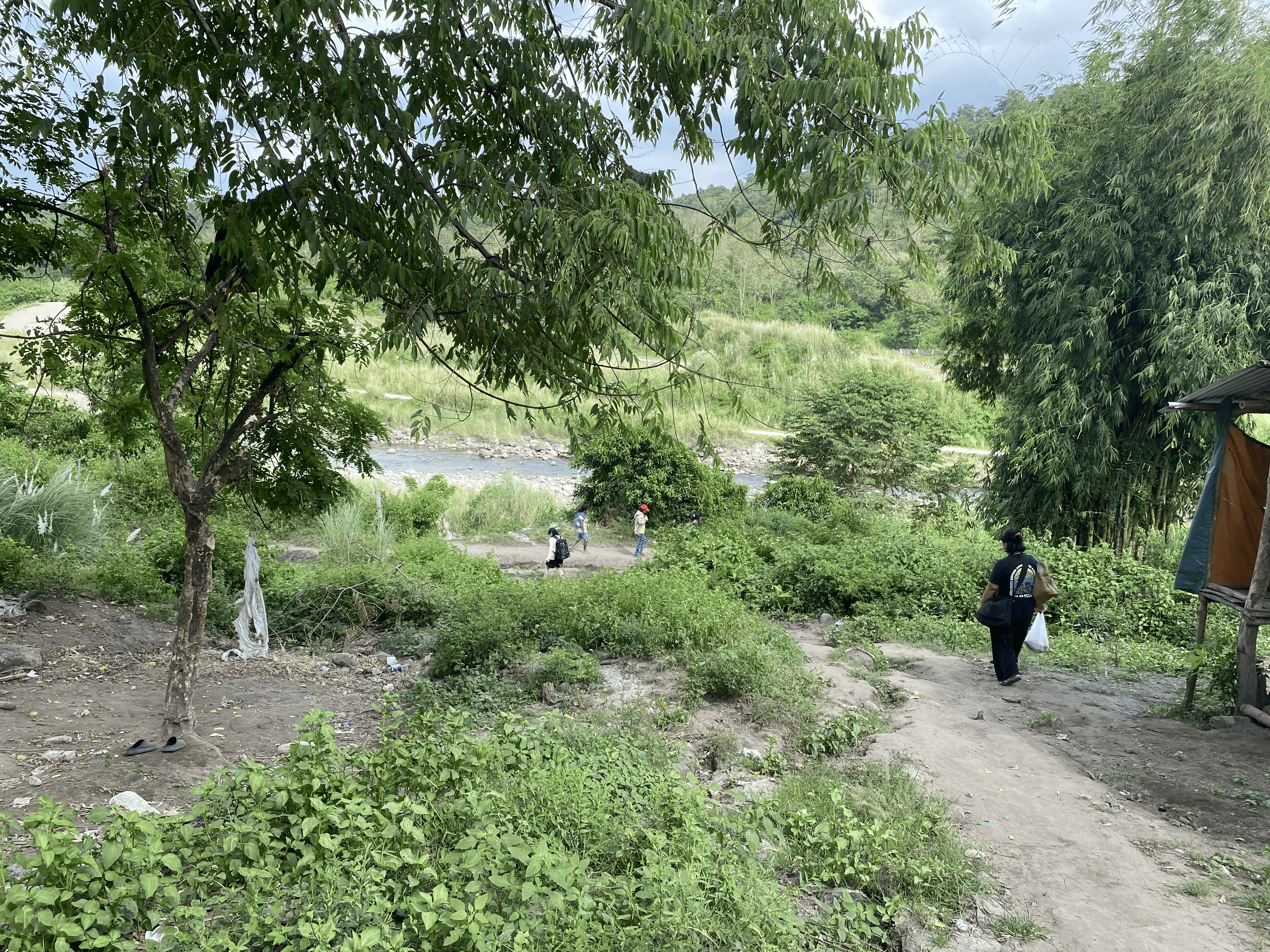
As the government intensifies its execution of the foreign initiative, the Aytas make use of their sense of tight-knit community and relationship with nature in their struggle to preserve their ancestral lands and the environment they grew up in and were taken care of.
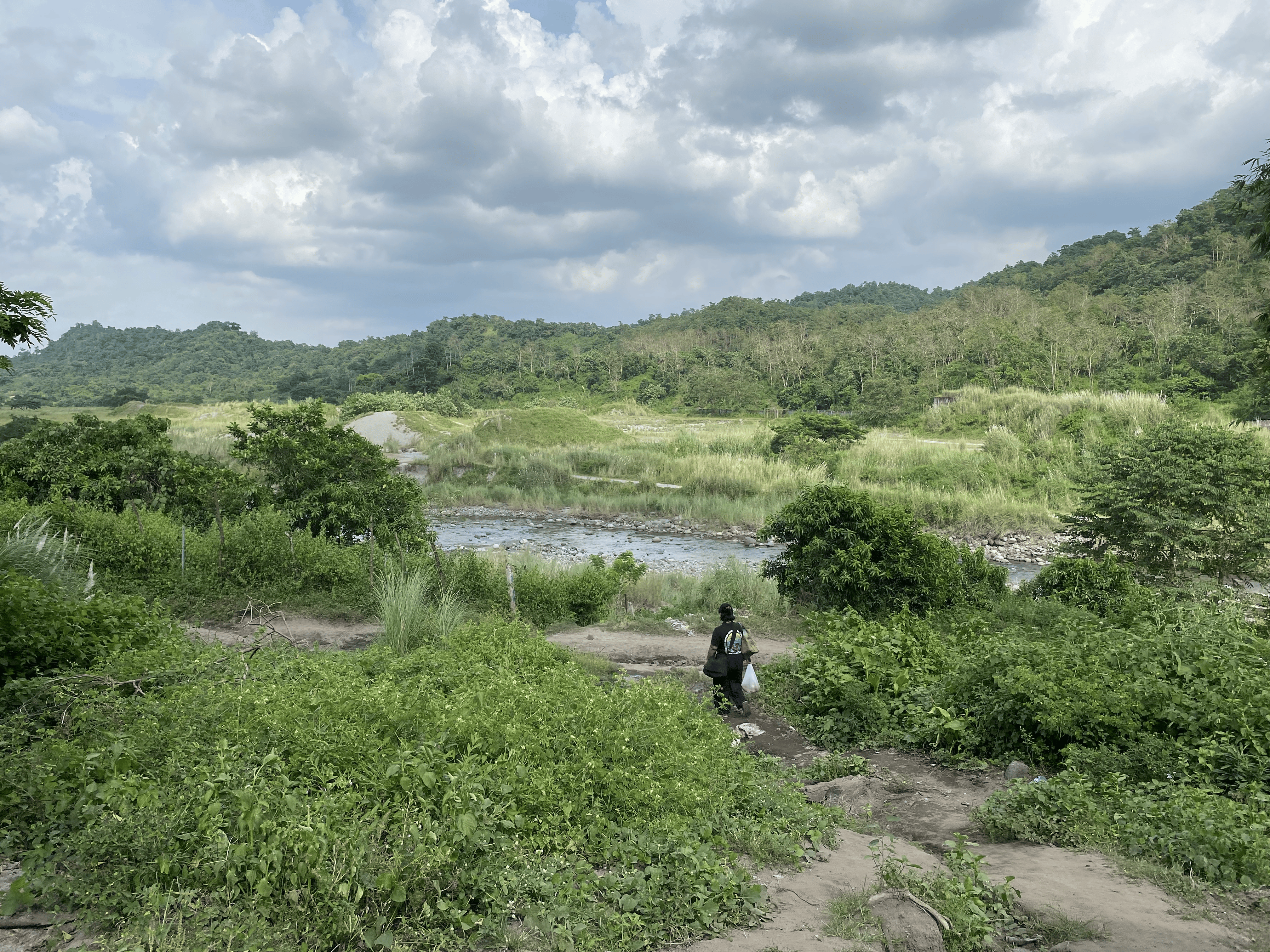
In Sitio Manabayucan in Capas, Tarlac, the vast, rich land that the Ayta Mag-antsi have taken care of for generations faces the threats of degradation and depletion because of the looming Pax Silica initiative.
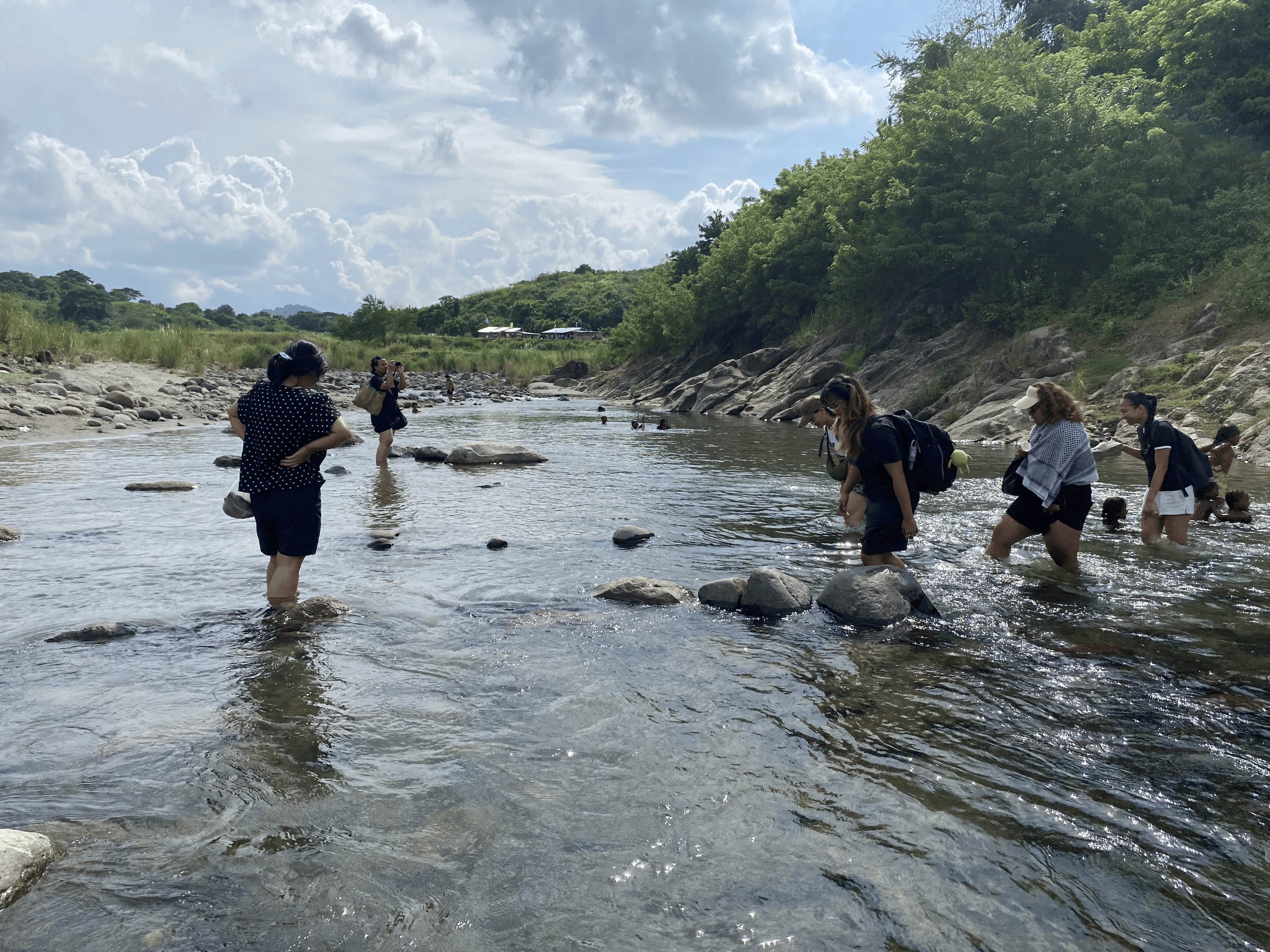
A river flows between the lowland and the highland where the community is situated. Their pleas to the local government to build a bridge for easier access to the town, where healthcare and markets are located, have been left unheard for years, the residents shared during a solidarity visit.
This is the reason why they felt betrayed when they learned that infrastructure can be built around the area, but for the sake of outsiders and not for the Ayta communities.
They only knew of a planned project in their area when people—whom the locals could not identify—told them they would be removed from the area, according to Clarissa Dayrit, a member of the Ayta Mag-antsi community.
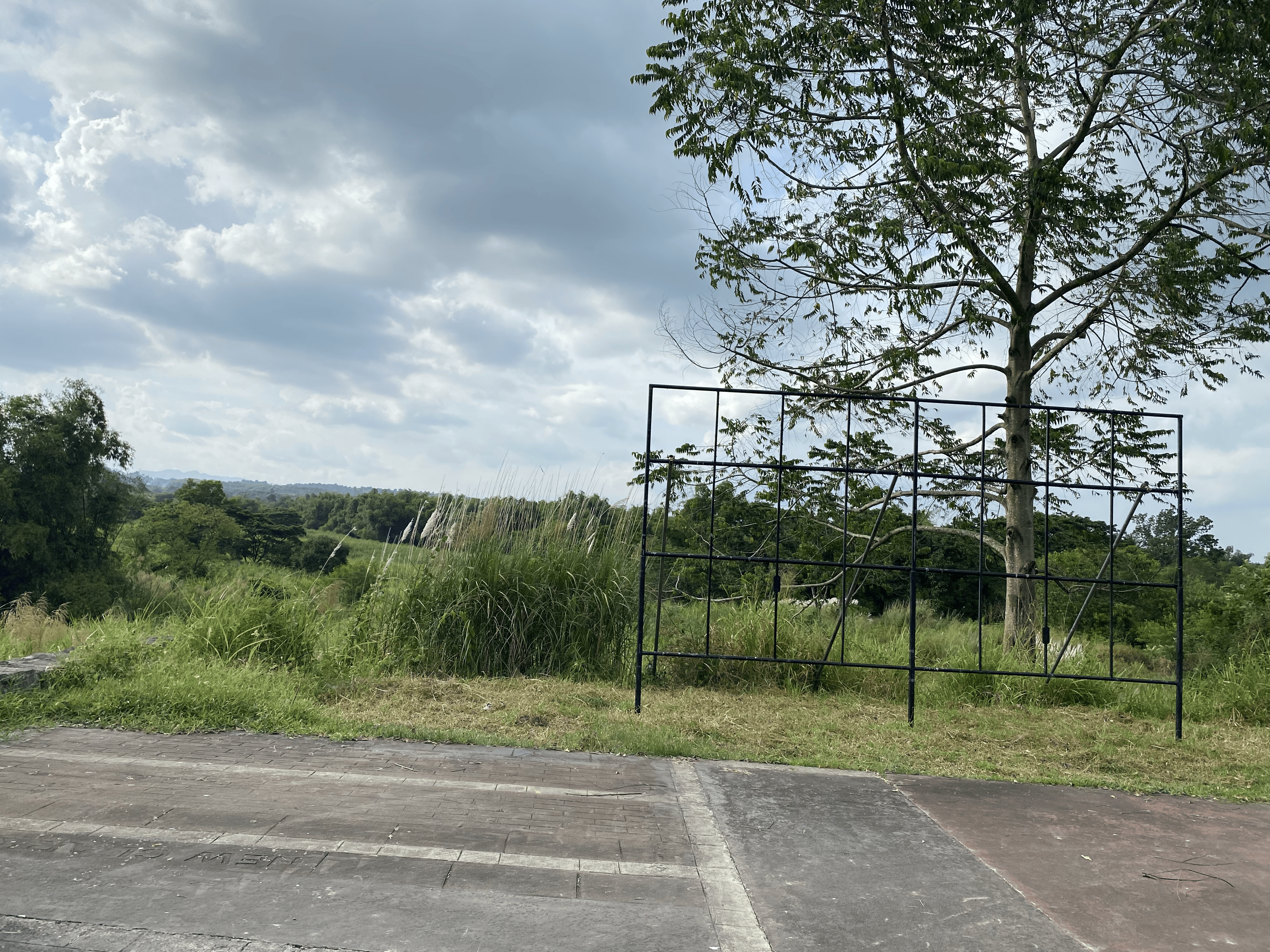
Locals of Capas, Tarlac, told Likas a billboard was previously seen in the area, which announced the Pax Silica project. But after criticisms and multiple protests, the tarpaulin was taken down, as shown in a Kapuso Mo, Jessica Soho episode. Until now, no proper consultation about the project has been made with the residents.
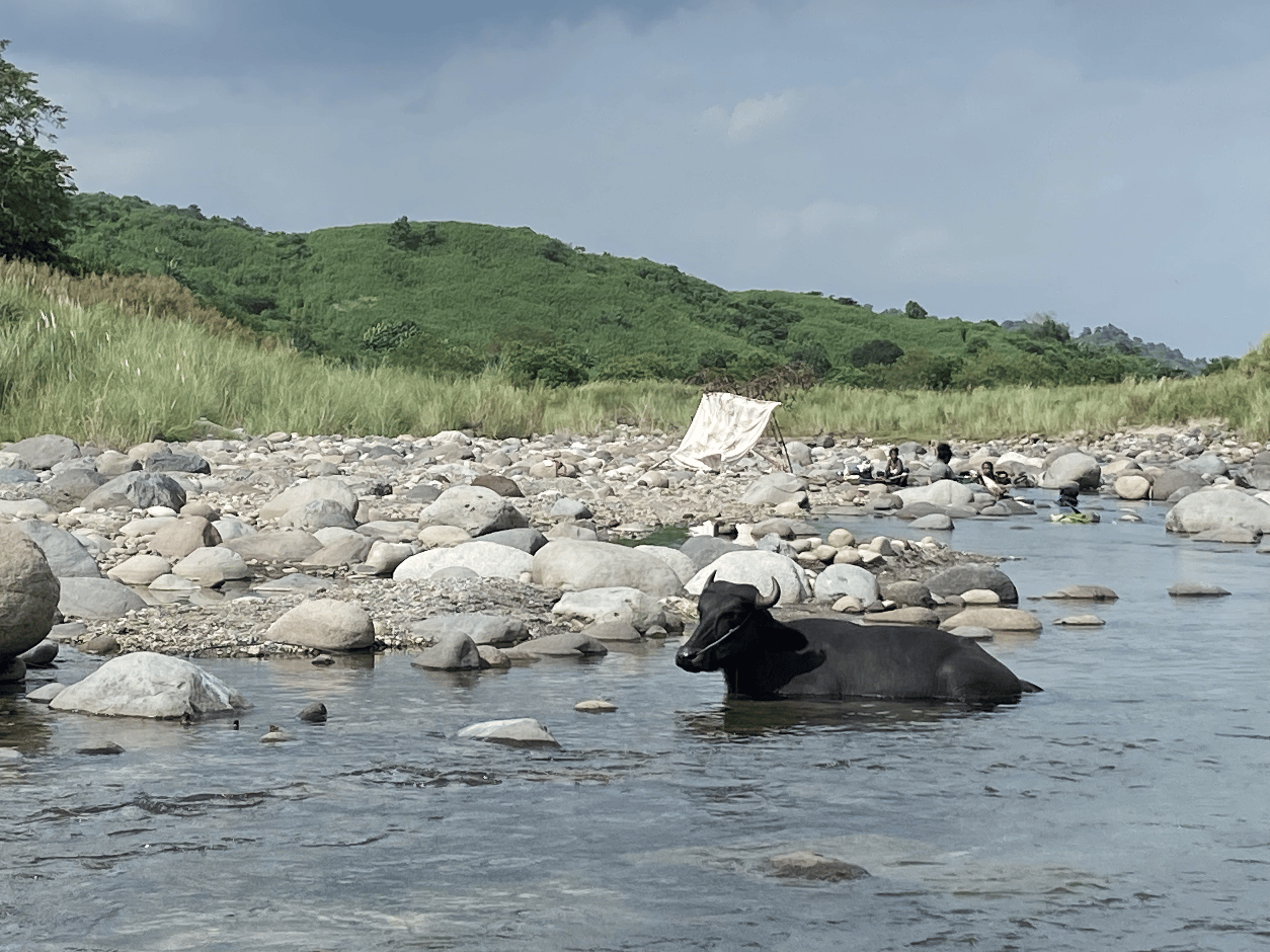
The river is essential to the Aytas’ domestic lives, as this is where they get their water source, wash clothes, and fish. However, an initial environmental scoping investigation by the Network Opposed to Pax Silica and its partner organizations found that Pax Silica is projected to consume 60 to 90 million liters of water per day—amounting to 26 to 36 Olympic swimming pools.
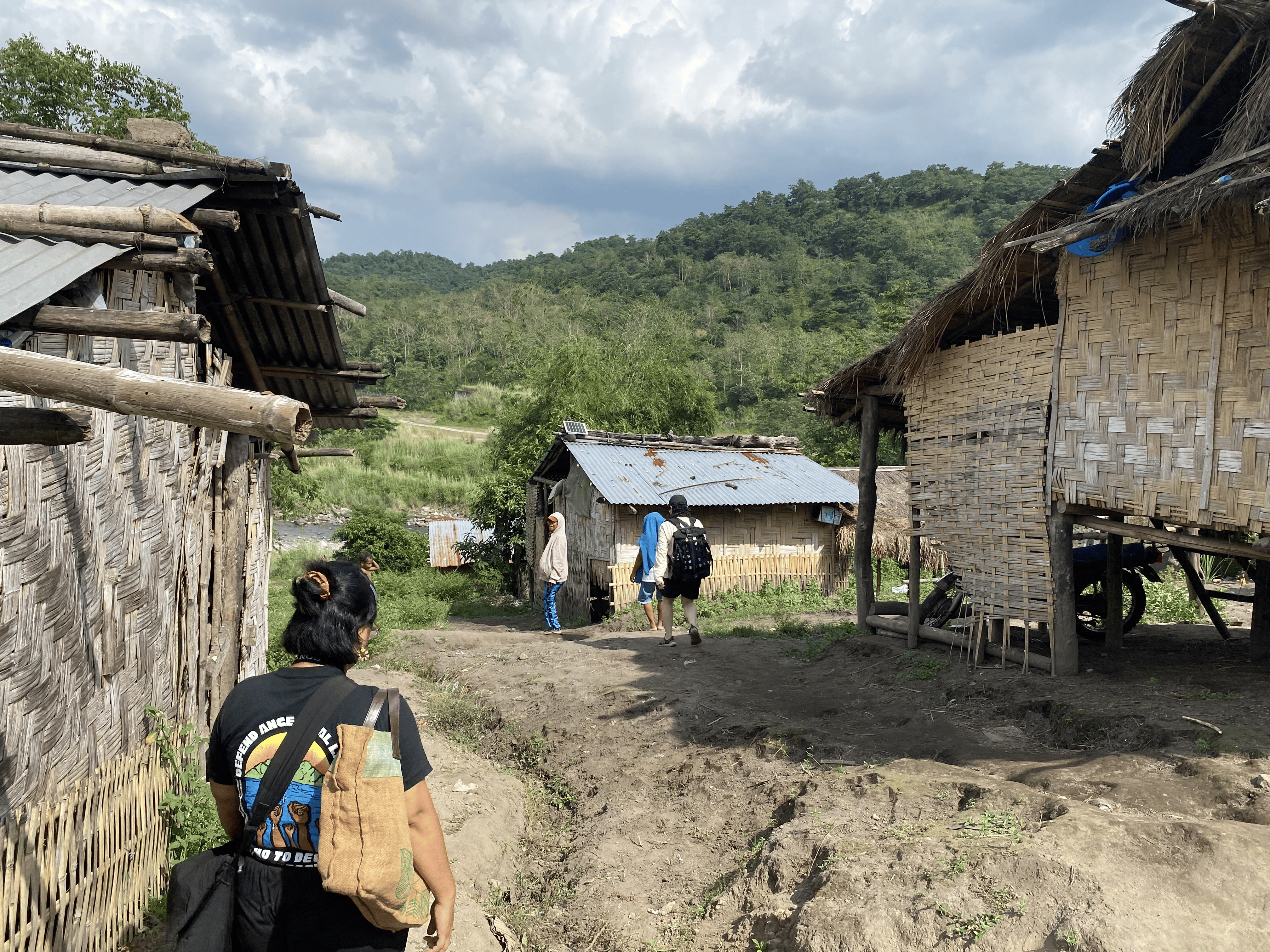
Many Ayta households are expected to be negatively affected by the project’s consumption of natural resources and land conversion, according to the initial findings of the environmental scoping. The lives of Aytas, who rely on their environmental surroundings for food, basic necessities, and livelihood, would be uprooted.
“Ayaw namin diyan kasi hindi kami sanay sa kapatagan. Hindi kami nakapag-aral. Hindi namin alam ang trabaho doon. Dito, kahit walang bigas, kaya namin kumain, katulad ng ube,” Dayrit told Likas.
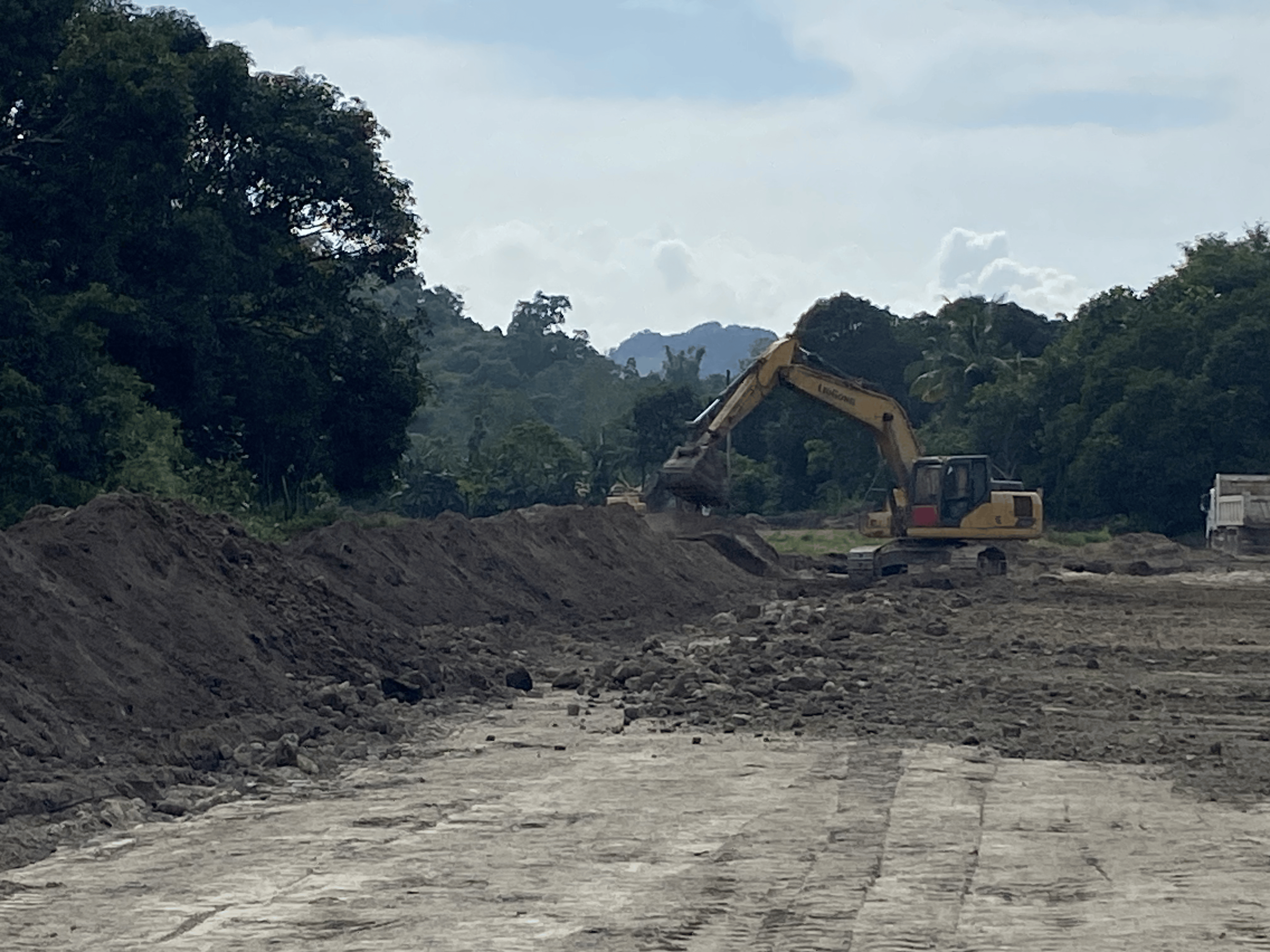
Even before the official implementation of the Pax Silica initiative, residents said that they are already being troubled by ongoing land conversion, such as the solar farm and roadway projects. In the nearby Sitio Binyayan and Sitio Rivera, the communities experience increased heat, noise pollution, and disturbances from heavy-duty construction vehicles.
As the government intensifies its execution of the foreign initiative, the Aytas make use of their sense of tight-knit community and relationship with nature in their struggle to preserve their ancestral lands and the environment they grew up in and were taken care of.
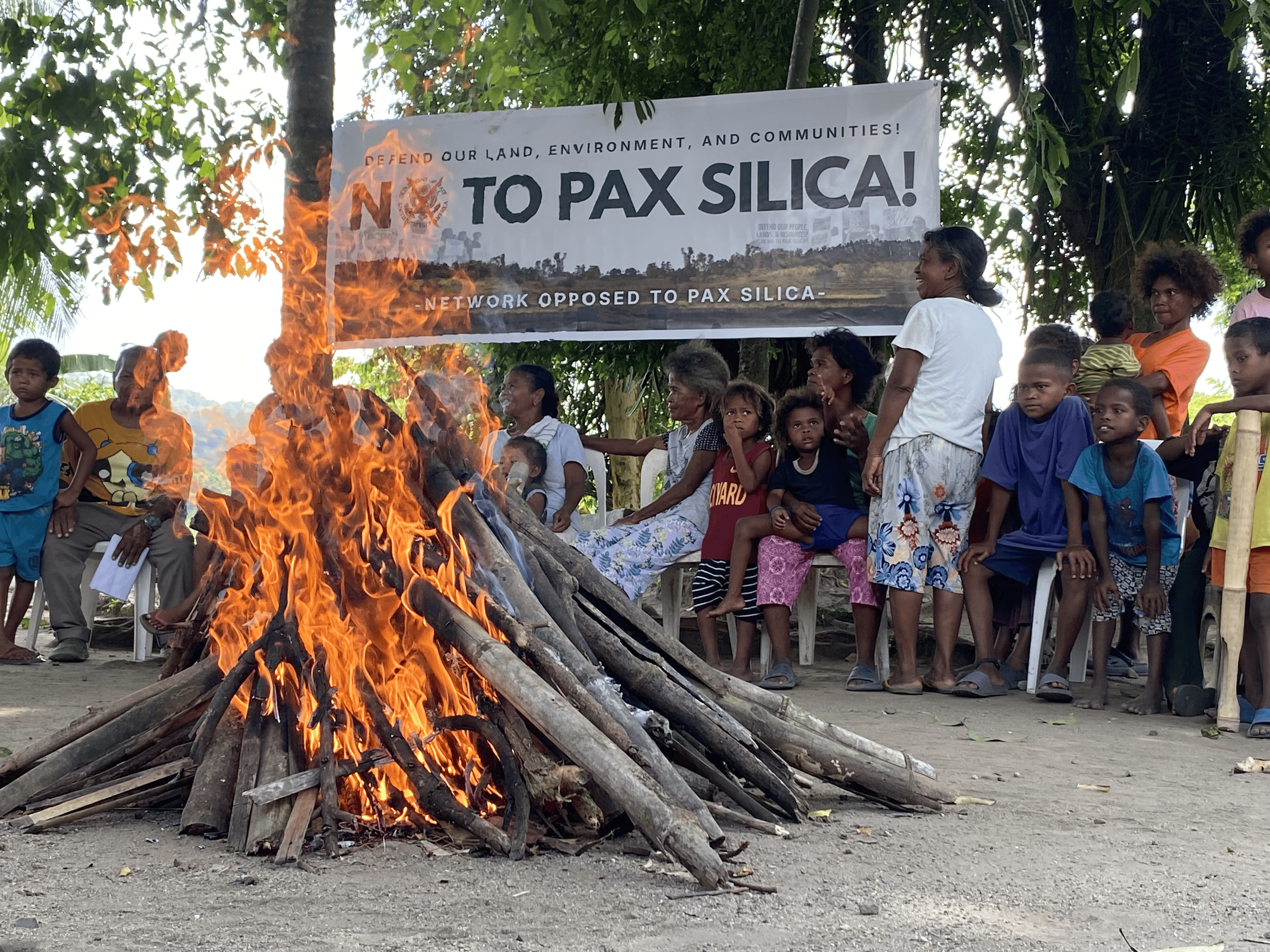
For the Ayta Mag-antsi, they owe it to their ancestors and the nature that has provided for them for generations to fight against Pax Silica.